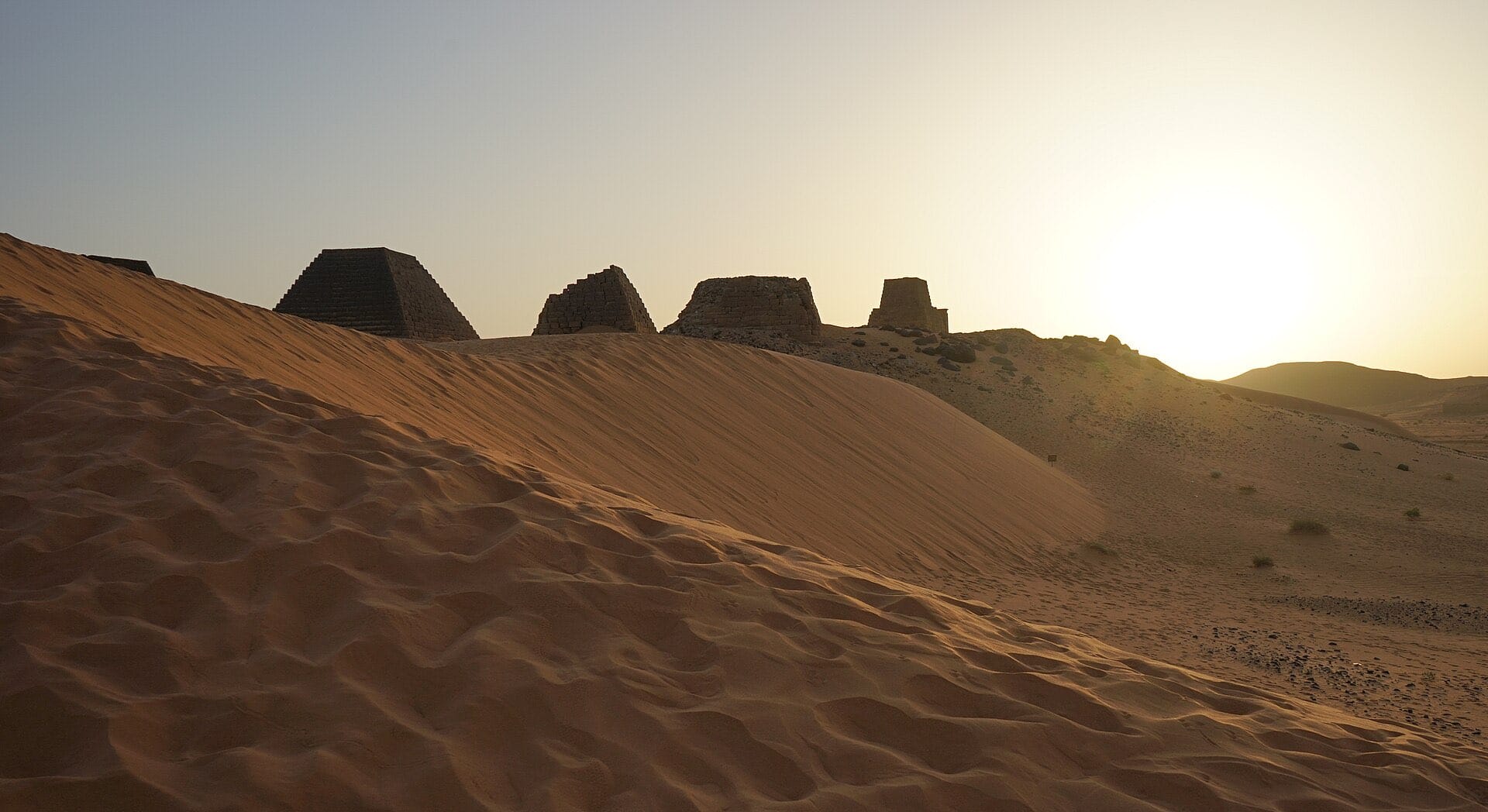
Sudan shows two faces of Africa: the Sahara in the north, and savanna and mountains further south. The Nile runs through the whole country. In the north it divides the desert into the Libyan Desert to the west and the Nubian Desert to the east.
Highlights
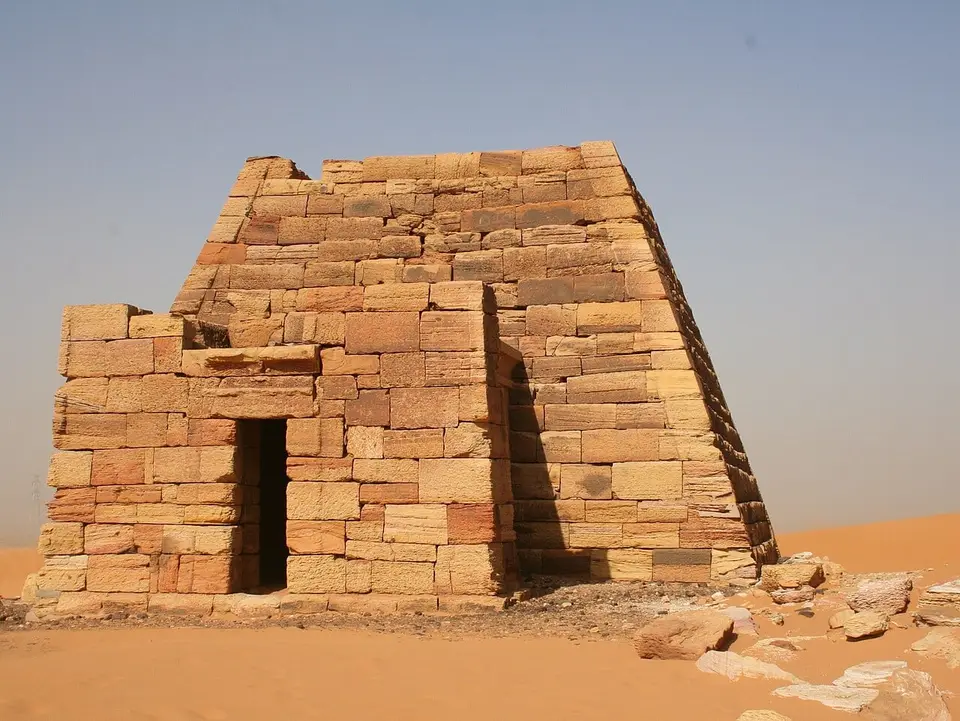
- Pyramids of Meroe & ancient Nubia — Sudan has more pyramids than Egypt, still largely undiscovered by mainstream tourism.
- Red Sea coast — near Port Sudan, coral reefs in clear, shallow water; warm year-round (≈25°C in January) — excellent for diving.
- Khartoum — the capital, where the Blue and White Nile meet; museums hold artefacts from the Stone Age onward.
The Nile and the deserts
Most towns and nearly all ancient sites lie along the Nile. Away from the river, the land opens into wide desert, with dunes, rock plateaus and oases. The contrast between the green river banks and the sand is the picture most visitors remember.
The Red Sea
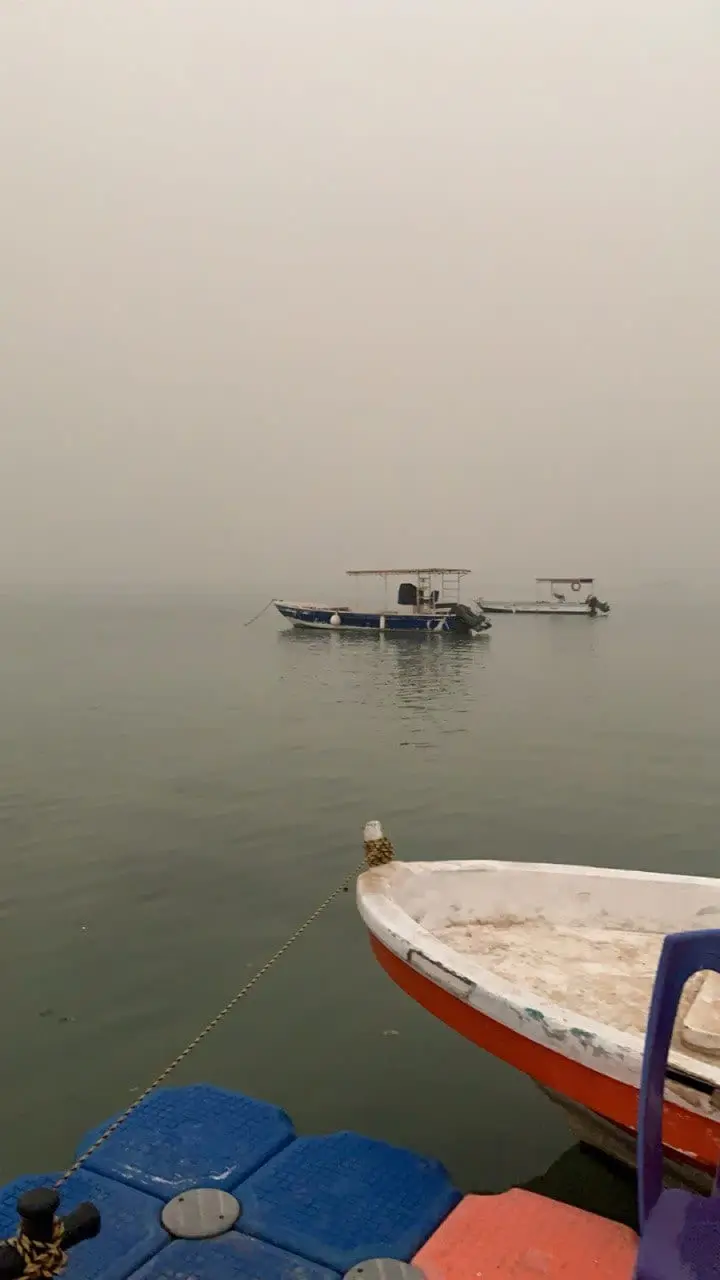
Sudan's coast has coral reefs at shallow depth and very clear water, with a great variety of marine life. Far fewer visitors come here than to other Red Sea coasts, so beaches and dive sites are quiet. The water stays warm all year. Divers find equipment and boats in and around Port Sudan.
Places to see
- Merowe, Jebel Barkal and Nuri (Northern State) — the holy mountain of the Kingdom of Kush, with temples and royal pyramids.
- Meroe (River Nile State) — the royal cemeteries of the Meroitic kings, about three hours north of Khartoum.
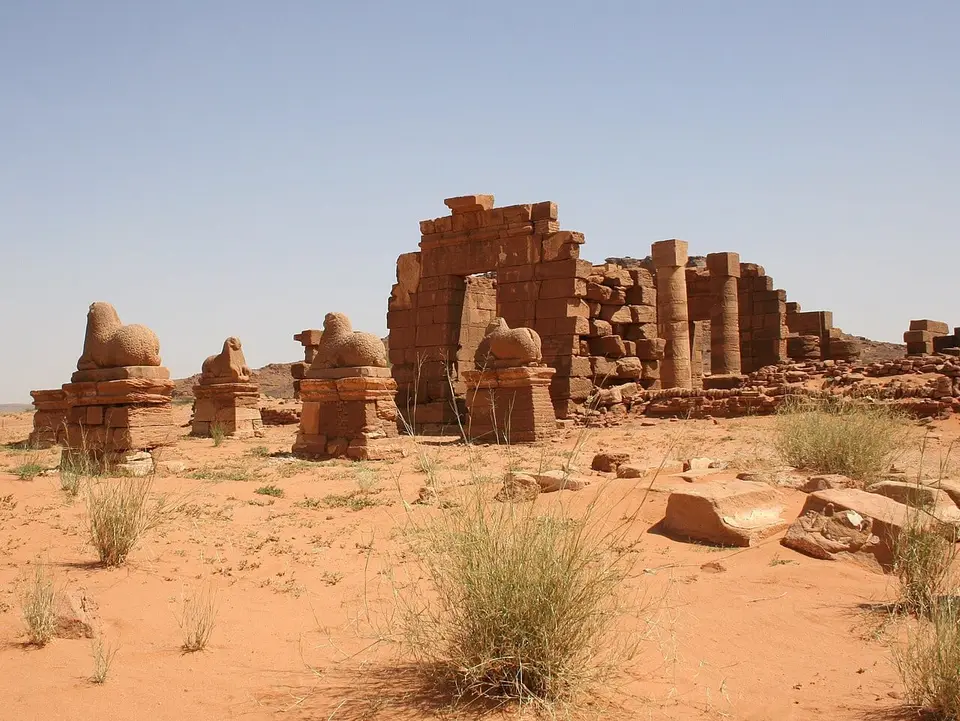
- Naga and Musawwarat es-Sufra — temples of the Meroitic period in the desert east of the Nile.
- Dongola (Northern State) — the old capital of Christian Nubia on the Nile.
- Suakin (Red Sea State) — the old coral-stone port on an island in a lagoon.
- Erkowit (Red Sea State) — a cool hill resort in the Red Sea Hills.
- Kassala (eastern Sudan) — a market town at the foot of the Taka Mountains.
- Dinder National Park (south-east) — savanna and wetlands with rich wildlife and bird life.
- El Obeid and the Nuba Mountains (Kordofan) — the gum arabic capital and the green hills to its south.
- Jebel Marra (Darfur) — a volcanic massif with crater lakes, waterfalls and orchards.
Cities and markets
Sudanese towns have low, flat-roofed houses in white, yellow and beige, and lively open markets where traders sell fruit, vegetables, nuts and spices. Life slows down in the midday heat and returns in the evening. Visitors often speak first about the hospitality of the people.
Best time to visit
December to February — cooler, drier, and lower sandstorm risk.
What to wear and bring
- Light, loose cotton clothing, and modest dress in towns and villages
- Sturdy, comfortable shoes for desert sites and excursions
- Sunscreen, sunglasses and a hat
- Enough drinking water on every trip outside the towns
Before you travel
Foreign visitors need an entry visa: see Entry Visa. Travel in parts of the country is restricted at present. Please read the current travel advice of your own government and ask the Embassy before you plan a journey. A list of hotels is on the page Hotels in Sudan.