Embassy of the Republic of the Sudan in Berlin
سفارة جمهورية السودان ببرلين

Welcome to Sudan
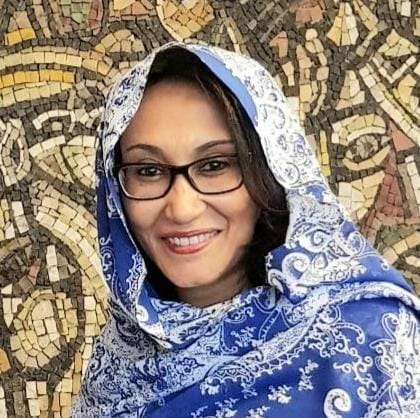
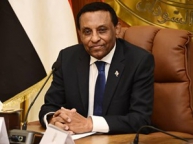
H. E. the Ambassador welcomes visitors to the Embassy's website.. Read More
Embassy Working Hours
ساعات العمل بالسفارة
| Mon-Fri: 10:00h | - | 16:00h |
Consulate Working Hours
Consular Section
☎ 0049 30 887 111 60
consul@sudan-embassy.de
ساعات عمل القسم القنصلي
| Mon-Thu: 10:00h | - | 16:00h |
| Friday: 10:00h | - | 16:00h |
Very Important هام جداً
المدرسة الإلكترونية لتدريس المنهج السوداني
يسر سفارة جمهورية السودان ببرلين أن تتقدم إلى الأخوات والإخوة أبناء الجالية السودانية بجمهوريتي ألمــانيا وبولــندا، بخالص الشكر والتقدير لوقفتهم ومؤازرتهم المستمرة لقضايا الوطن، وفي إطار إهتمام السفارة بقضايا المواطنين السودانيين المُقيمين بجمهوريتي ألمانيا وبولندا، ترجو الإفادة بأنَّ جهاز شؤون السودانيين العاملين بالخارج وفي إطار تلمسه لقضايا السودانيين بالخارج ومنها اشكاليات التعليم لأبناء السودانيين بالخارج، أعلن عن تدشين المدرسة الإلكترونية التي تُدرس المنهج السوداني والمعتمدة من وزارة التربية والتعليم الإتحادية .. للمزيد
عالم الآثار الألمانى فيلدونق يؤكد: إن الحضارة السودانية تسبق الحضارات العالمية بخمسة آلاف عام
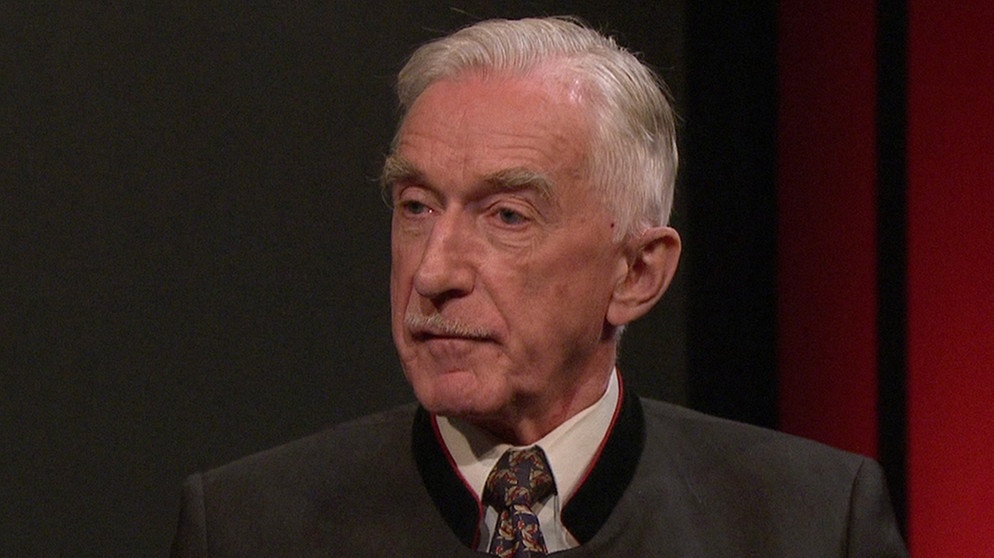 قطع البروفيسور ديترش فيلدونغ المتخصص فى الآثار السودانية والمدير العام الأسبق لمتحفى ميونخ وبرلين لفنون المصريات ان الحضارة السودانية القديمة سابقة لكل الحضارات الأخرى بخمسة آلاف عام بما فيها حضارة مصر الفرعونية وحضارات الشرق الأدنى والإغريق والرومان وإنتهاء بالحضارة الأوربية الحديثة... المزيد.
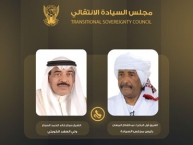
TSC Member Jabir Lauds Supportive Stances of Sisterly and Friendly Countries Toward Sudan
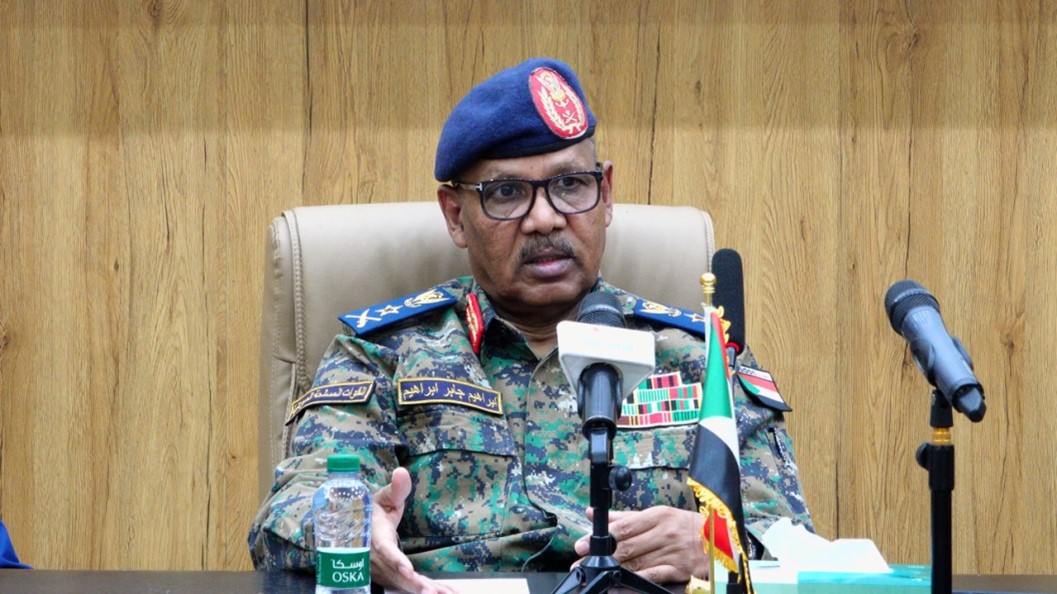
Member of the Transitional Sovereignty Council (TSC), Lieutenant General Engineer Ibrahim Jabir, expressed the appreciation and gratitude of the Government and people of Sudan to sisterly and friendly countries, as well as regional and international organizations, commending their supportive positions toward the Sudanese people during their ordeal and the significant efforts they have undertaken in this regard.
This came during a briefing he delivered on Tuesday in Port Sudan to diplomatic missions and international and regional organizations accredited to the Republic of Sudan on arrangements for the return of state institutions to resume operations from the capital, Khartoum.
The briefing was attended by the Undersecretary of the Ministry of Foreign Affairs and International Cooperation, Ambassador Muawiya Othman Khalid.
During the briefing, Jabir highlighted the extensive efforts exerted by the Higher Committee for Preparing the Environment for Return to Khartoum State to restore normal conditions and create a conducive environment for citizens’ return. He affirmed that the government is moving forward with implementing plans aimed at restoring basic services and reinforcing stability.
The TSC Member called for a gradual transition of embassies and for organizing arrangements in line with clear plans and programmes, underscoring that the government will act as a partner and provide full support to diplomatic missions, offering all necessary assistance to enable them to perform their duties as required.
Lieutenant General Engineer Ibrahim Jabir reaffirmed the state’s commitment to standing by embassies to facilitate return procedures, in recognition of their supportive stances toward the Sudanese people. He noted the continuation of rehabilitation works in the electricity and roads sectors and the implementation of a comprehensive plan encompassing both security and service aspects.
On the security front, he pointed to efforts undertaken to remove and transport war remnants, carry out sanitation operations, secure roads through police deployment, activate prosecutorial work, and rehabilitate river stations. He clarified that Khartoum State does not face a water shortage, while efforts continue to ensure the flow of electricity, particularly to hospitals, with priority given to high-density residential areas. He further noted the provision of health and pharmaceutical services, affirming partnerships with national and international organizations in the fields of environment, education, and health. He added that the Higher Committee has provided textbooks and school furniture, supporting the stability of the educational process and the return of normal life.
The briefing featured interventions and questions from a number of ambassadors and heads of organizations, addressing issues related to the return to Khartoum, the level of services, the maintenance of diplomatic mission premises that were looted and destroyed by the militia, as well as the facilitation measures to be offered during the coming phase.
The Latest Sudanese News & Press
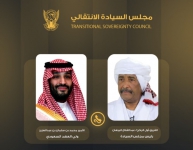
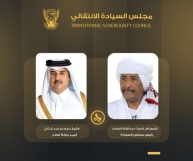

DOCUMENTING COMPLICITY
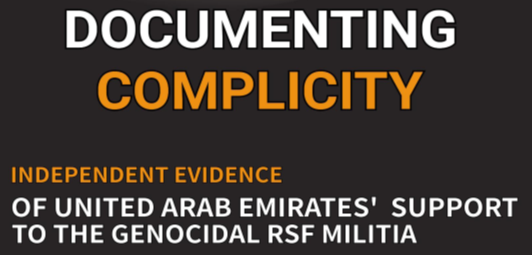 On April 15, 2023, the Rapid Support Forces Militia (RSF) launched an armed rebellion against the Sudanese state and Sudanese people. Since then, the Sudanese people have been subjected to widespread and grave violations at the hands of this terrorist militia... Read More
In Sudan, Rediscovering Ancient Nubia Before It’s Too Late
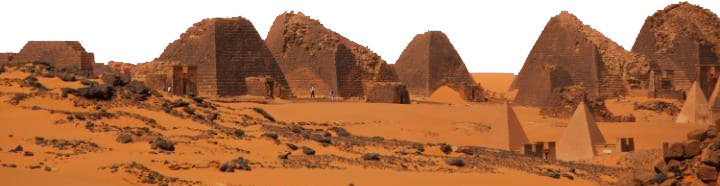 In 1905, British archaeologists descended on a sliver of eastern Africa, aiming to uncover and extract artifacts from 3,000-year-old temples. They left mostly with photographs, discouraged by the ever-shifting sand d.. Read More.
Dr. Tony Andrews, Canadian Geologist: Mining in Sudan is Very Deep-rooted in History
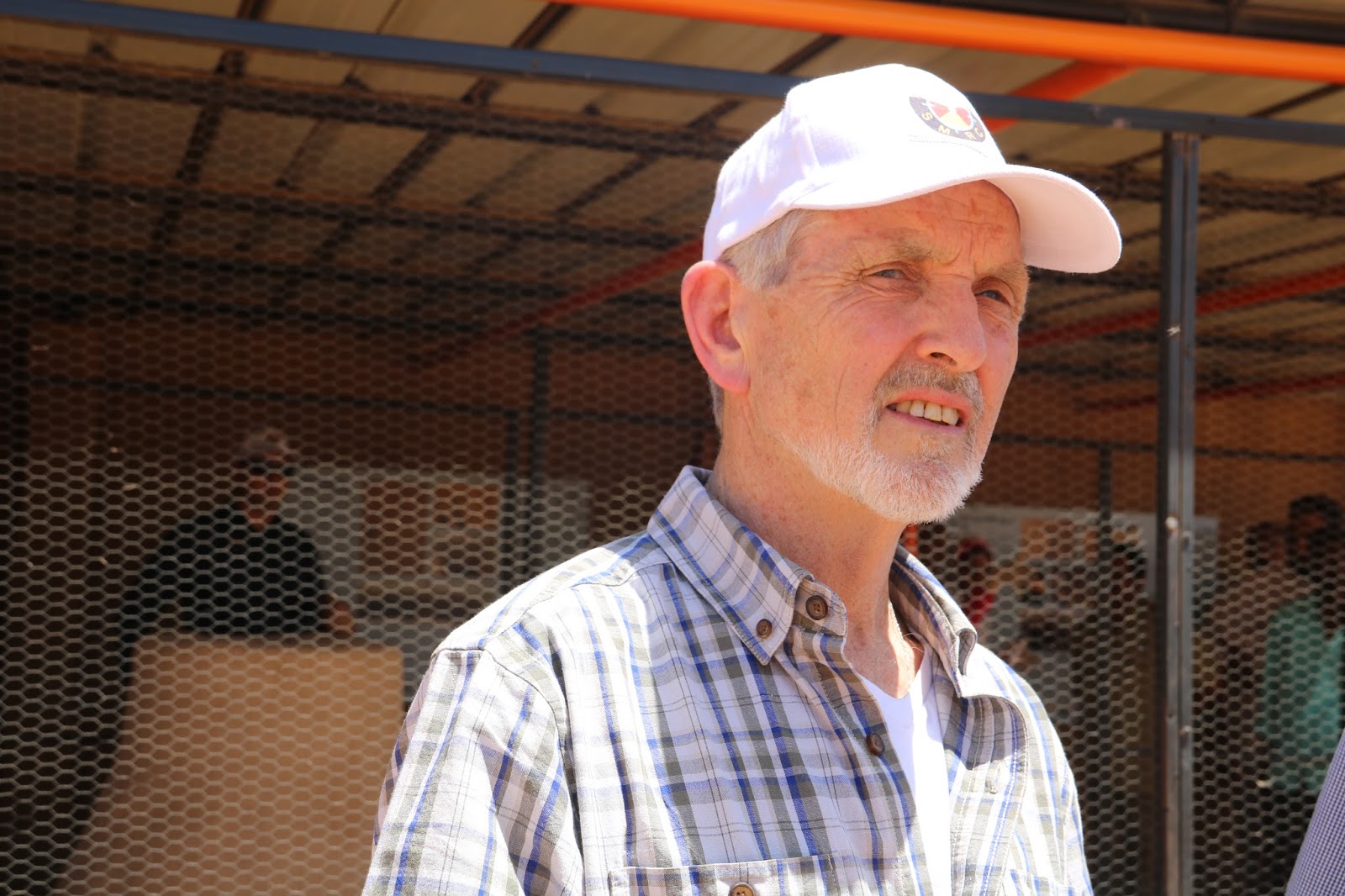 Sudan Vision newspaper interviewed the Canadian geologist, Principal, Centre for Responsible Mineral Development, Dr. Tony Andrews who visited Sudan to take part in the International Mining Forum and.... more
Registration Form (A) For Foreign N.G.O
Applying For Entry And Operation in Sudan
إستمارة تسجيل (أ) للمنظمات التطوعية الأجنبية التي ترغب في الدخول والعمل بالسودان
News Archive
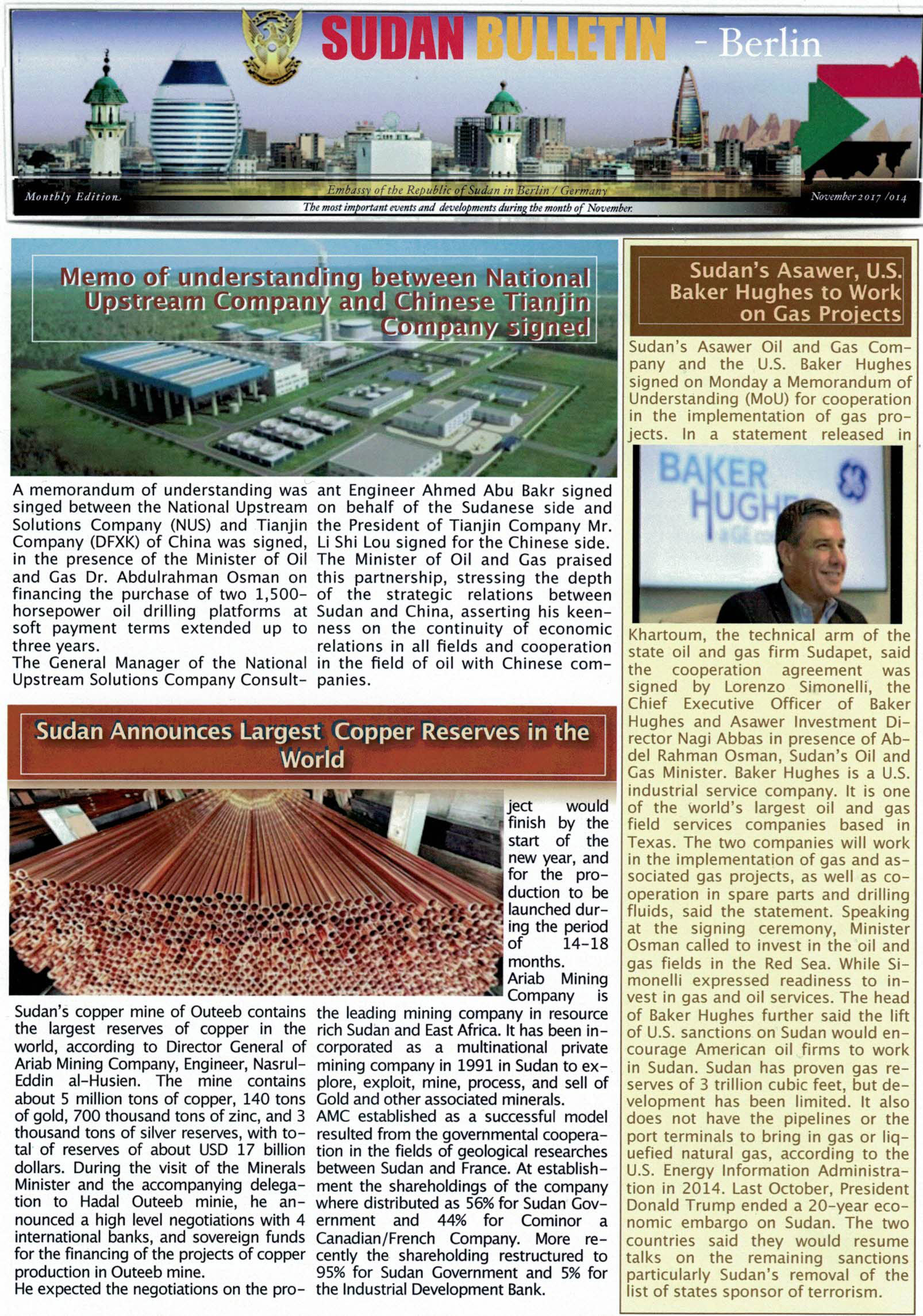
Sudan Bulletin